UX Design Agency Munich

Complex products that feel simple

Good UX design takes complexity out and brings logic in. It makes interacting with a website, platform, or app so intuitive that users don't have to think, they simply reach their goal. As a UX design agency from Munich, Webnique delivers structure, clear user flows, and an experience that often decides a product's success more than the function itself.
Book a discovery call
+32%
revenue growth is what design-led companies achieve over their industry competitors (McKinsey, “The Business Value of Design”).
The problem

Where the logic is missing, users drop off

A product can be technically capable of everything and still get no one to their goal. As soon as everyday usability falters, conversions, sign-ups, and purchases are lost, usually without anyone knowing why.
  • Users can't find the key function
    and abandon the process before it counts.
  • The structure has grown over years
    but was never organized around real user behavior.
  • Design decisions rest on internal taste
    instead of data and critical questioning.
Our approach

Structure and logic before the interface takes shape

Webnique treats UX and UI as one connected process. First, requirements are clarified, content is organized, and user flows are thought through. Only then does the visible interface take shape. The design guides users logically through the product instead of leaving them alone with decisions. That applies to new products as well as existing applications whose experience needs sharpening.

UX Research & Requirements

User behavior and real requirements are clarified before a single line is drawn.

Structure & User Flows

Content and steps are organized so every click flow leads logically to the goal.

UI Design & UX Patterns

Proven patterns and clean visual design make the interface self-explanatory.

Conversion-Oriented Design

Interfaces that suggest the next step instead of hiding it.

How we work.

How We Work

Fixed phases, one dedicated contact person, and regular feedback loops. The client's knowledge about their users flows directly into requirements and concept instead of being tested only at the end.

The Hard Facts

Flexible monthly hourly model (cancelable monthly) or fixed-price project. Full handover included: everything created belongs to the client. On request, ongoing support follows, plus team training directly in the system you use.

Why companies choose Webnique for UX/UI design

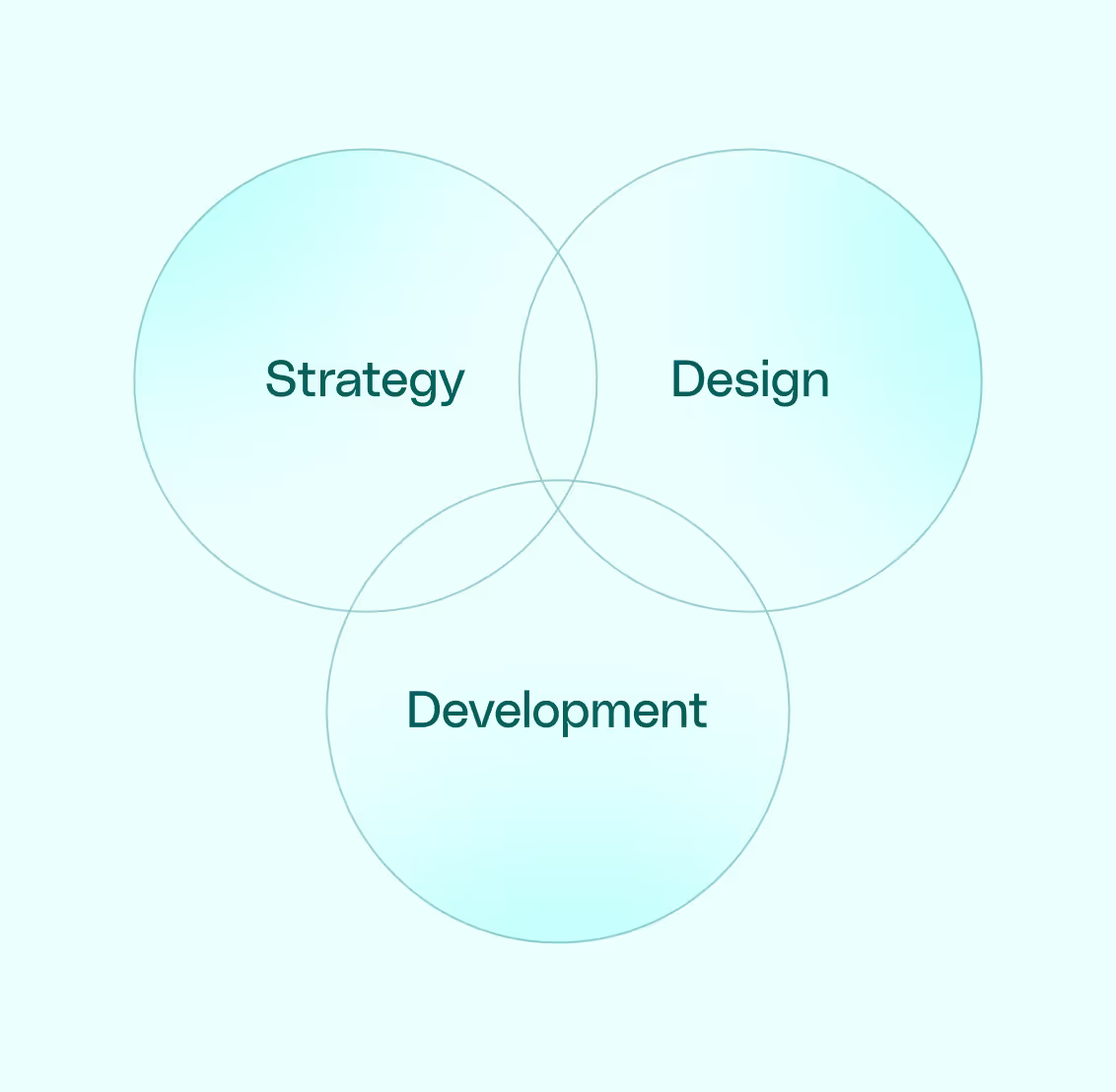
There are plenty of beautiful interfaces without a strategic foundation, just as there are strategies that never get implemented properly. Webnique unites requirements analysis, design, and development under one roof: strategy and implementation from a single source. Our experience ranges from conversion websites to shops and e-commerce, apps, and complex web applications, exactly the products where UX decides between success and frustration. Where it fits, data-driven conversion optimization and AI-powered features flow directly into the design.
Our Location

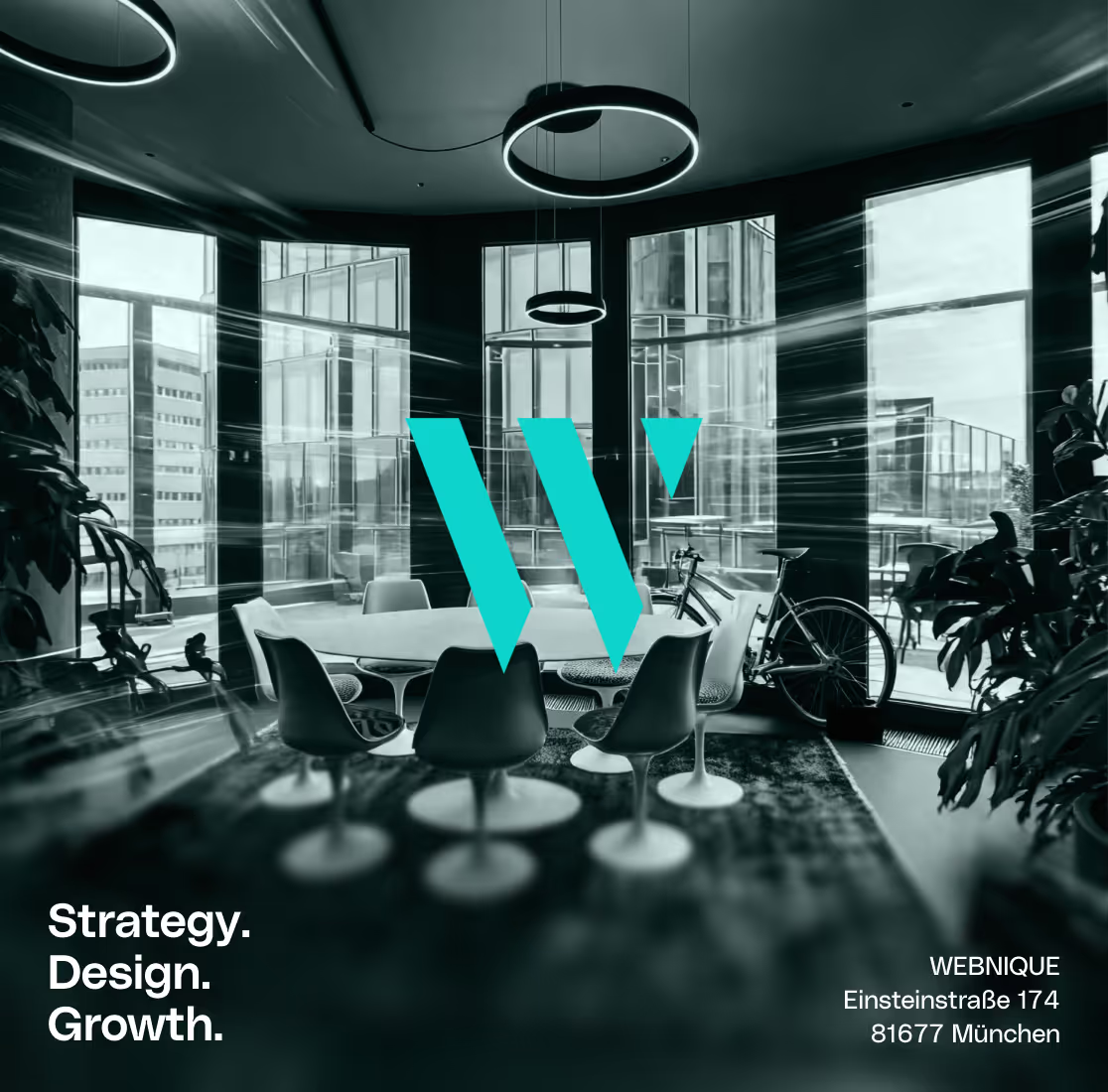
UX design agency in Munich, close by when it counts

Most of the collaboration runs digitally and smoothly: quick check-ins, shared prototypes, fast feedback rounds. For research sessions, sorting out requirements, and longer concept phases, an in-person meeting is often the better choice. When a shared table delivers more than another call, our Munich office is the right place for it.


In Detail

From sorting requirements to the finished interface

01.

Clarify Requirements & Goals

First the right question, then the design.
It starts with critical questioning: what should the product deliver, who uses it, which task needs to feel effortless. Requirements are collected and prioritized by importance. This clarity decides whether the later design hits the mark or misses the actual need.
01.

UX Research & User Analysis

Understanding how users really behave.
User interviews, data analysis, and competitor comparison reveal real behavior instead of assumptions. The result is reliable insight into expectations and hurdles. This is the basis for every further decision in the process.
01.

Information Architecture

Structure that guides.
Content, features, and navigation are organized so the product's logic becomes visible on its own. A well-thought-out architecture reduces drop-offs and makes even complex applications usable. It's the framework every good interface is built on.
01.

User Flows & Click Flows

Every step has a goal.
The key paths through the product are thought through and structured up front, from entry to conversion. The result is a clear thread users follow without detours. Unnecessary steps are removed before they get programmed.
01.

Wireframes & Prototyping

Testing flows before anything is designed.
Clickable prototypes make the key flows tangible early on. Testing shows whether the interface works in everyday use. Changes at this stage are fast and cheap, not only after the final design.
01.

UI Design & UX Patterns

Proven patterns, executed cleanly.
Colors, typography, and established UX patterns shape an interface that explains itself. Users recognize familiar patterns and find their way immediately. The visual design carries the brand without getting in the way of usability.
01.

Design System & Components

Consistency that scales.
Reusable components ensure a consistent look across all pages and states. New features can be added faster and more consistently later on. That saves time and keeps quality stable.
01.

Usability Testing

Proof instead of guesswork.
Real users complete real tasks on the interface. Weak spots become visible before they go live. The findings flow straight back into the design.
01.

Conversion-Oriented UX Design

Design with a measurable goal.
Layout, hierarchy, and calls to action are designed so the desired next step suggests itself. Especially for conversion websites and shops, this is what decides revenue. Data-driven optimization keeps sharpening the experience after launch.
01.

Handover & Development

From design to a live product.
Designs are documented cleanly and handed over to development, or implemented directly by our own team. Because design and development sit under one roof at Webnique, nothing gets lost in the transition. The final result matches the design.

Have a concrete project in mind?

A short conversation is enough to find out where the biggest UX potential lies and what a sensible first step looks like.
Book a discovery call
Frequently asked questions

FAQs

What does a UX design agency do?

A UX design agency shapes a product's entire user experience: from requirements and structure through user flows and prototypes to the finished interface. The goal is a product that hides complexity and guides users logically to their goal.

What does UX/UI design cost?

It depends on the scope: a single UX audit is significantly cheaper than a full product design with research and testing. In the discovery call, we narrow down the effort so a reliable figure is on the table before the project starts.

What's the difference between UX and UI design?

UX design covers structure, logic, and flows: how using the product feels and whether it works. UI design is the visible interface with colors, typography, and components. The two interlock, which is why Webnique treats them as one process.

UX agency or freelancer?

A freelancer can be a cheap way to start but rarely covers requirements analysis, research, design, testing, and implementation equally well. An agency brings a team with distributed skills and ensures backup and continuity beyond the project.

Which products do you design UX for?

Webnique has UX experience with conversion websites, shops and e-commerce, apps, and complex web applications. Exactly where many features and steps come together, well-thought-out UX design makes the biggest difference.

Do you also redesign existing products?

Yes. Existing interfaces are analyzed in a UX audit and sharpened where it counts, without requiring a complete relaunch. Often a few structural changes deliver the biggest effect.

Do you work directly in our CMS?

Yes. On request, the design is implemented directly in Webflow, WordPress, or your existing system, and your team gets trained on it in a dedicated session. That keeps maintenance in-house after handover.