


In one focused workshop, we sharpen together who buys the product first, which channel the market entry runs through, and which assumptions get tested first. The result is a prioritized market entry strategy with concrete next steps — remote or on site, with the decision-makers and our team at one table.

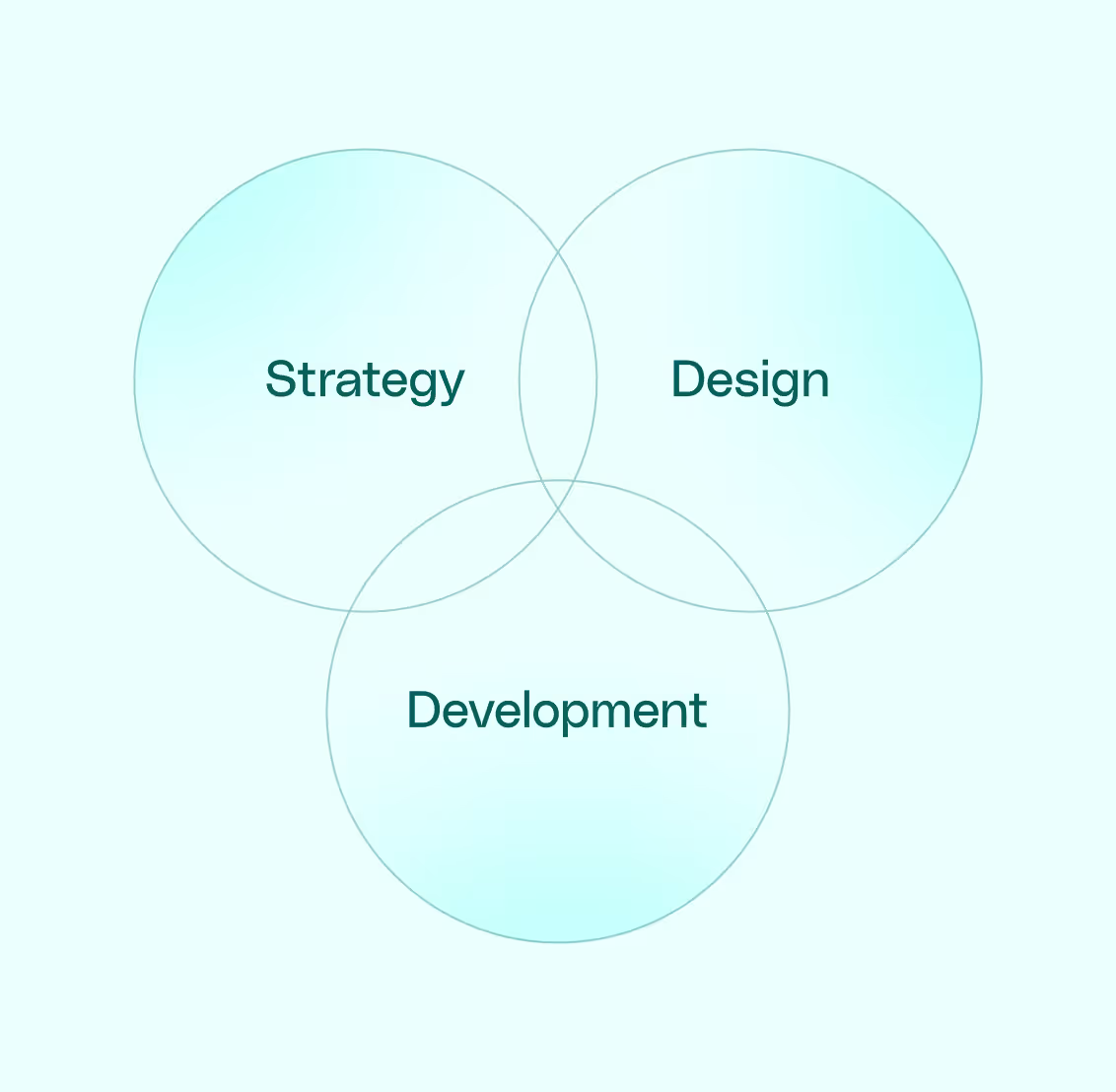
Classic strategy consultants deliver a deck and move on. Pure marketing agencies execute without owning the strategy. Webnique does both under one roof: we develop the go-to-market strategy and build the platform, website, or web app that carries the market entry. Strategy, design, and development sit at one table here instead of being spread across three providers. If you're planning a market launch, you get the plan and the tool that carries it from a single partner.












The cost depends heavily on scope, meaning whether only the strategy is developed or the execution, including the platform, comes with it. A blanket figure at this point would be misleading. In the discovery call, we narrow down the effort based on your specific project.
The strategy itself is usually ready in two to four weeks. If execution is included, the timeline depends on what needs to be built — from a landing page to a full platform.
The core is target audience, positioning, pricing model, and the channels that bring the first customers. On top of that comes a measurable plan defining which assumptions get tested first.
An online marketing strategy governs how channels generate reach and leads. The go-to-market strategy is broader: it also covers target audience, positioning, pricing, and offer — the question of whether and how the product fits the market in the first place.
A market entry strategy defines how a product or service first comes to market: to whom first, through which channel, and with what message. It's the concrete plan behind the market entry.
Both, and that's the core. We develop the strategy and build the tools it needs — website, web app, or platform. The plan doesn't stay a deck; it becomes a running market entry.
Above all, companies bringing a new product, platform, or digital offering to market. The structured plan also pays off when entering a new market or segment.
Yes, wherever it concretely helps. For example, in market analysis, in evaluating channel data, or as a feature in the product itself when it increases the value for the target audience.
