
Web App Development

The business model becomes software that runs

A web app isn't a web design project with a bit of logic behind it. It's software that has to perform every single day. We develop web applications for established companies that want to map a business model digitally, replace a process, or bring a product to market. Architecture, security, and maintainability are at the center from day one.
Book a discovery call
40k+
travel agencies use a B2B platform we built (SIXT Partner Hub, 147 countries, 5 languages)
The problem

Why web app projects really fail

Building your own application sounds like a clear-cut thing, until the project is underway. Budget, timeline, and quality come under pressure exactly when it's too late to course-correct.
  • The planned budget turns into a multiple of itself
    because the scope keeps growing during development.
  • The launch slips month after month
    and in the end the app does less than discussed.
  • The code is built so that every extension becomes a risk
    and no one but the original developer can make sense of it.
Our approach

Software thinking instead of website thinking

We develop web apps as what they are: scalable software. That applies to a new product just as much as to the application that replaces an internal process. Strategy, architecture, and design interlock instead of being worked through one after another.

Architecture & Scaling

We build on a data structure that grows with user numbers and features.

Building web applications with logic

Complex business logic, roles, and workflows mapped cleanly.

Secure user interface

Access rights, authentication, and data protection considered from the start.

AI features in the product

Smart search, recommendations, and automations right inside the web app.
Case Study
01
Challenge
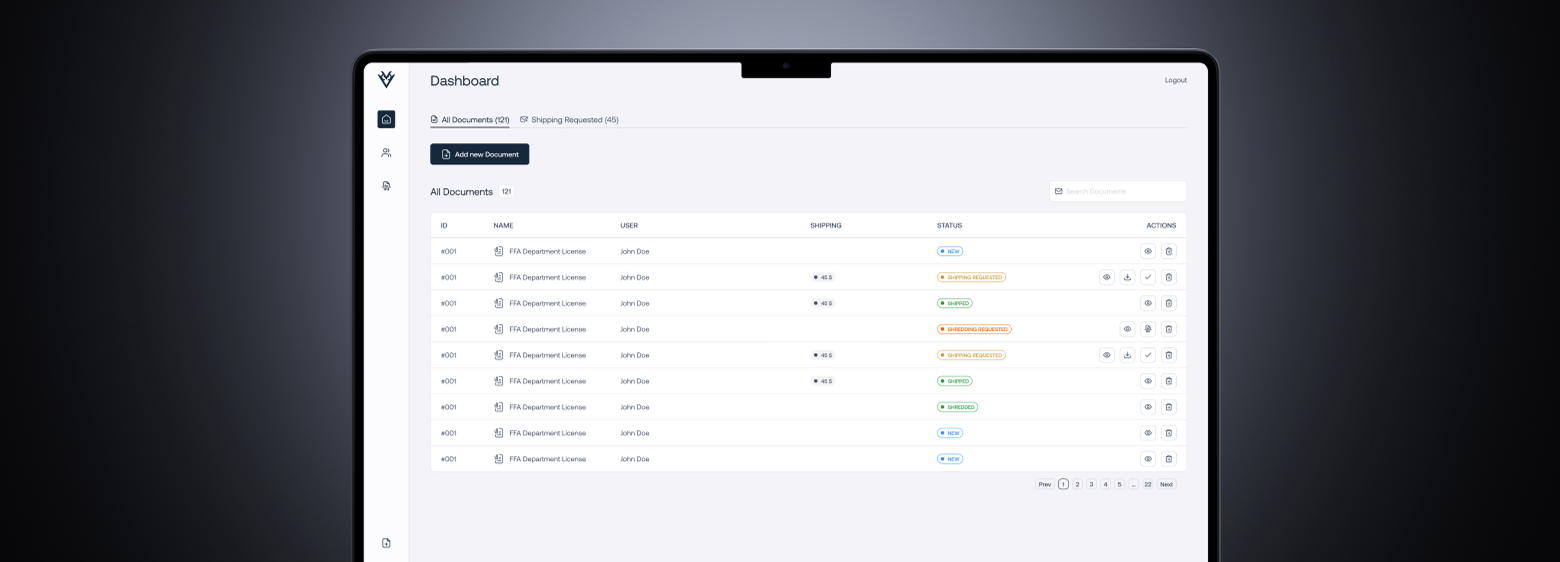
An FAA regulatory change with a fixed deadline forced international aircraft owners to appoint a registered Agent for Service — Valiair wanted to be the first provider to market in the new segment.
02
Approach
In three months we built a custom web app with multi-step conditional-logic registration, Stripe subscriptions, customer and admin dashboards, and the UPS API for worldwide shipping options.
03
Results
Launch months before the regulation took effect, 100% digital processing, and the market-leader position in the niche.

How we work.

How we work

Fixed phases, regular feedback loops, and a dedicated point of contact who knows the project from start to finish. Knowledge of the market and customers feeds directly into the architecture, instead of being tested only at the end.

The hard facts

Up front there's a solid estimate and a clear quote. During development we track every hour transparently, stick to the estimate, and bill monthly or by milestones. Full handover included: everything we build belongs to the client. On request we provide ongoing support afterward and train the team directly in the application.
Workshops

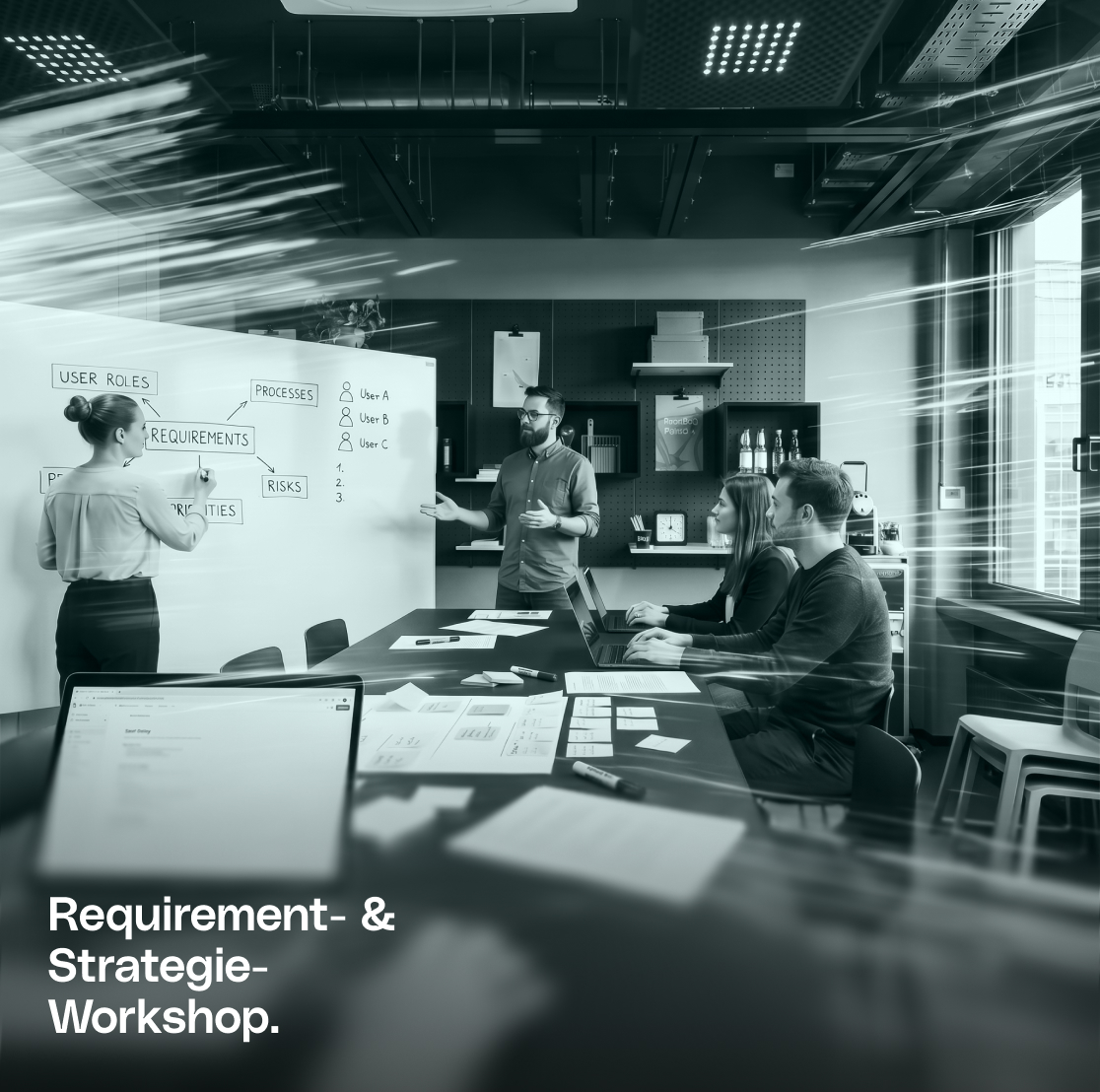
Requirement & Strategy Workshops

Before we build, we clarify in a workshop what the application really has to do — requirements, user roles, processes, and priorities. That's how we avoid the most expensive mistake in a web app project: a cleanly built system that misses the actual need. Digital or on-site, with the project team and our developers around one table.
Request a workshop

Why companies choose Webnique for their web app development

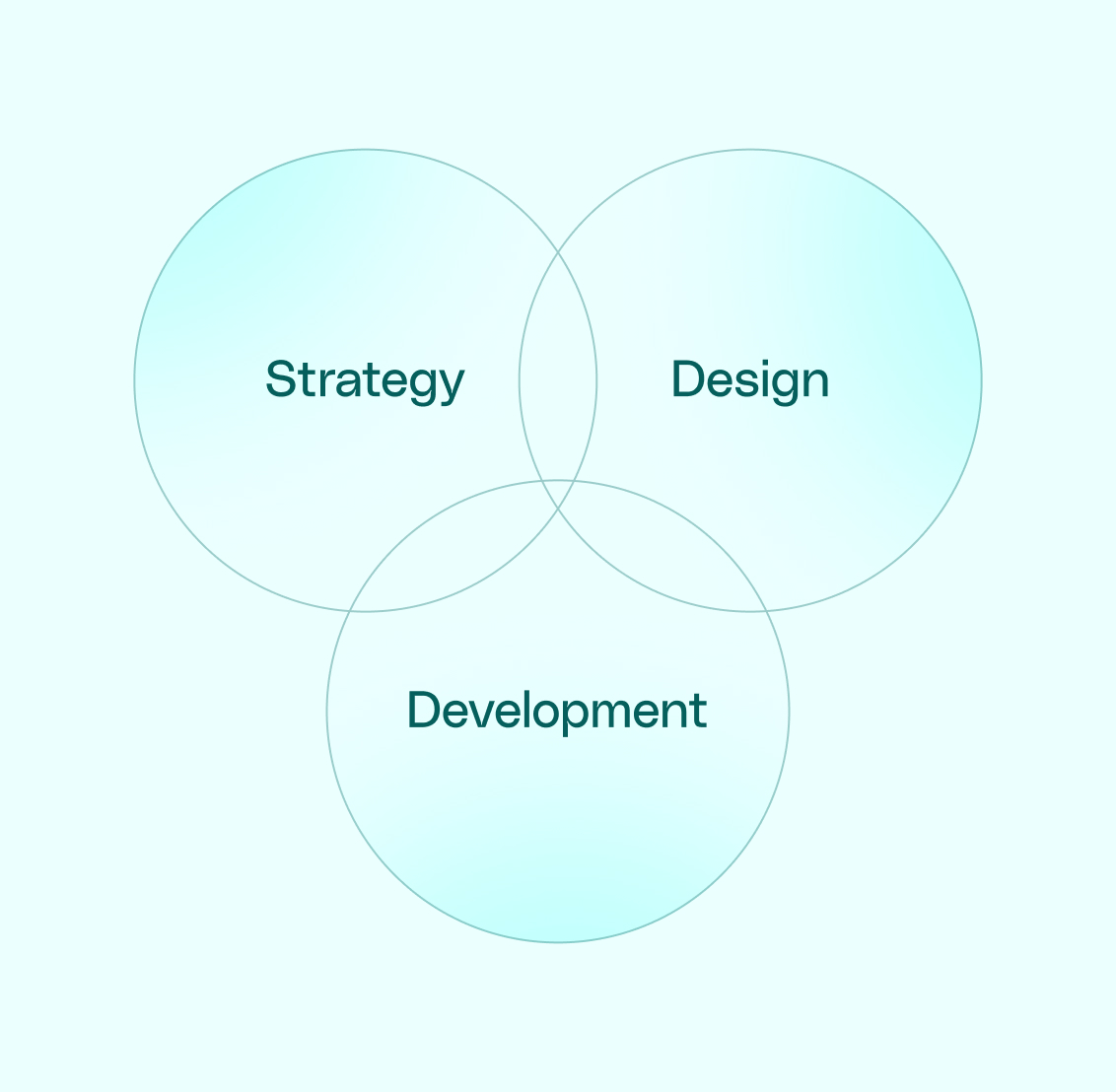
Many web app agencies are either pure design studios or pure dev shops. We bring strategy, design, and development together under one roof, which makes the difference for applications with real business logic. From our relaunch and platform DNA, we know how to build systems that don't just work at launch but hold up for years. And when AI features are meant to go into the product, that comes from the same hand.


In Detail

From the idea to a running application

01.

Requirements Analysis & Scoping

Understand first, then build. We clarify what the app has to do, who uses it, and where the boundaries lie.
We clarify what the app has to do, who uses it, and where the boundaries lie. From processes, roles, and priorities we develop a clear scope document. That's the basis for building the right thing in the end — not just something technically clean.
01.

Technical Architecture

The foundation for growth. We choose stack, data model, and infrastructure to match expected growth.
We choose stack, data model, and infrastructure to match expected growth. The architecture decides whether the app holds up as user numbers and features increase. We deliberately invest time here, because later corrections are the most expensive.
01.

UX & Prototyping

Test workflows before any code is written. We build clickable prototypes of the core flows.
We build clickable prototypes of the core flows. This lets us check early whether the app works in everyday use. At this stage changes are quick and cheap, not only after the build.
01.

Frontend Development

An interface that matches the complexity. We build a clear, fast user interface.
We build a clear, fast user interface. Even complex application logic stays easy to operate as a result. Speed and clarity take priority over effects.
01.

Backend & Business Logic

Where the actual work happens. Roles, permissions, workflows, and data processing are implemented cleanly.
Roles, permissions, workflows, and data processing are implemented cleanly. The logic mirrors the real processes instead of bending them. Clean, documented code keeps the system maintainable.
01.

AI Features (optional)

Intelligence where it helps. On request we integrate smart search, recommendations, or automations.
On request we integrate smart search, recommendations, or automations directly into the application logic. The features solve concrete day-to-day tasks instead of adding AI for its own sake. How far it goes depends on the use case.
01.

API Integration

The app talks to the existing systems. We connect existing systems and third-party services through stable interfaces.
We connect existing systems and third-party services through stable interfaces. The result isn't an isolated island but part of the existing system landscape. Data flows run automatically instead of being maintained by hand.
01.

Security & Data Protection

Built in from the start. Authentication, access control, and GDPR-compliant data handling are not afterthoughts.
Authentication, access control, and GDPR-compliant data handling are not afterthoughts. We plan them into the architecture. Especially for applications with real user data, that's mandatory, not optional.
01.

Testing & QA

Reliable before it goes live. Automated and manual tests safeguard the functionality.
Automated and manual tests safeguard the functionality. In development and testing we use AI-assisted tools that speed up routine work. That leaves more time for the cases that need real judgment.
01.

Launch & Deployment

Controlled instead of "go live and hope". We go live with monitoring and a rollback option.
We go live with monitoring and a rollback option. We catch anomalies in the first few days before they turn into problems. The go-live is planned, not gambled.
01.

Operation & Further Development

The launch is the beginning. On request we take on ongoing maintenance and new features.
On request we take on ongoing maintenance and new features. A team that knows the app keeps looking after it. That way the application grows with the business instead of becoming a liability.

Have a concrete project in mind?

In a short conversation we find out whether the idea works as a web app and what it realistically needs.
Book a discovery call
Frequently asked questions

FAQs

What does it cost to develop a web app?

It depends on the scope of features. A lean first version (MVP) starts in the low five figures, complex platforms run significantly higher. We scope it together up front so a reliable number is in place before the start.

How long does web app development take?

A first usable version is often achievable in 8 to 16 weeks. The exact timeframe depends on architecture, integrations, and the number of workflows.

What is the difference between a web app and a website?

A website informs, a web app lets users work: sign in, process data, run through workflows. That brings different requirements for architecture, security, and maintenance.

Agency or freelancer for the web app?

A freelancer can be a cheap way to start but becomes a single point of failure as soon as the app grows or the person is no longer available. A web app agency brings a team that secures cover, handover, and long-term operation.

Do you also build SaaS products?

Yes. As a SaaS agency we develop multi-tenant applications with subscription models, user management, and the architecture a product needs to succeed in the market.

Do we own the code in the end?

Yes, completely. Code, documentation, and access credentials are handed over in full. No dependency on us as the sole service provider.

Can you take over or extend an existing web app?

In most cases, yes. We start with a code audit to assess condition and risks, and define the next steps on that basis.

Do you use AI in development and can you build in AI features?

Both. In the development process we use AI for routine work and faster iterations. And we build AI features directly into the product, such as smart search or recommendations. How far that goes is something we clarify on our AI integration page.